Green Innovation in the Classroom: DBL Ceramics’ TileChalk Turns Waste into Learning Tools
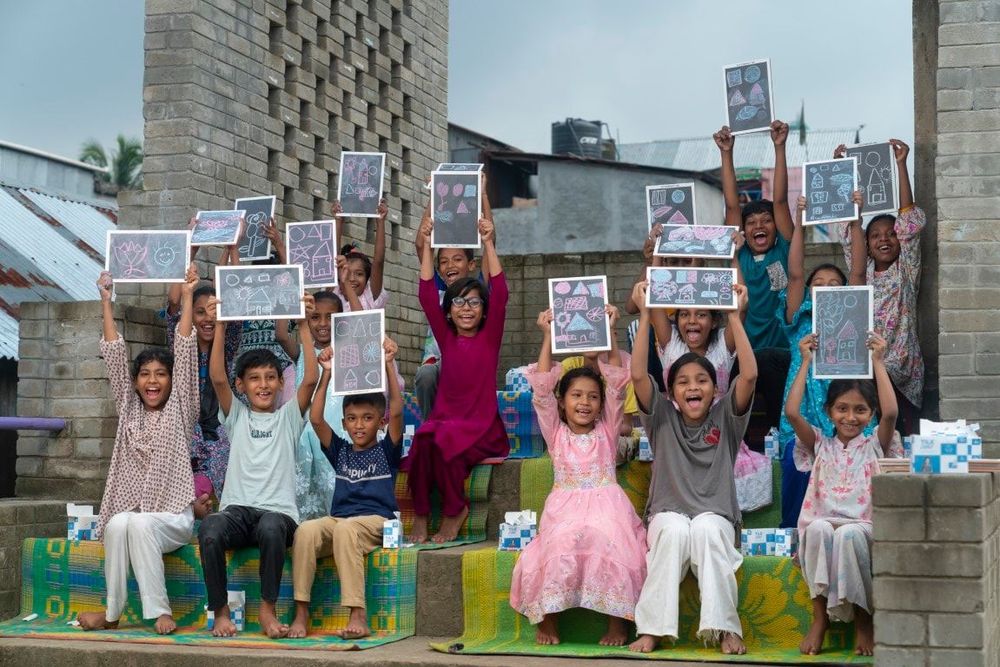
When we think of tiles, classrooms don’t usually come to mind. But DBL Ceramics is changing that narrative — quite literally — with TileChalk, a groundbreaking sustainability project that transforms industrial residue into something extraordinary: chalk for classrooms.
Tile manufacturing is often seen as a resource-heavy industry. Yet, DBL Ceramics has consistently challenged that perception through eco-conscious innovation. Known for their zero-waste manufacturing and 100% wastewater recycling, the brand’s latest move takes sustainability beyond the factory floor — right into the hands of young learners across Bangladesh.
 Plays from YouTube
From Factory Residue to Classroom Revival
During the water recycling process at DBL’s ceramics plant, a unique type of residue sludge remained — material that couldn’t be safely disposed of in landfills without environmental risk. Instead of treating it as waste, DBL saw potential.
Through six months of research and collaboration with local chalk manufacturers, the sludge was re-engineered into high-quality, non-toxic chalk sticks — safe, durable, and cost-efficient to produce. The result: TileChalk was born.
The first batches were distributed via partner NGOs to over 100 underserved schools nationwide. Alongside the chalk, DBL also found creative reuse for broken tiles — turning them into lightweight slates for classroom use. Together, these innovations revived a classic learning experience in a modern, sustainable form.
“Education should never harm the environment,” said a DBL spokesperson. “With TileChalk, we’ve turned waste into a resource that helps children learn while protecting the planet.”
Open Source for a Shared Future
True to its purpose-driven philosophy, DBL made the TileChalk formula open-source, inviting others in the ceramics industry to replicate and expand the initiative. The company even reached out to competitors, encouraging them to adopt similar practices — proving that sustainability thrives through collaboration, not competition.
To support local businesses, DBL also signed MoUs with chalk manufacturers, offering the raw material free of charge to help revive Bangladesh’s declining chalk industry.
Sustainability Meets Social Good
TileChalk is more than a CSR project — it’s a statement of intent. By aligning environmental responsibility with educational empowerment, DBL Ceramics is redefining what it means to be a modern manufacturing brand.
The project has already garnered wide attention across schools, NGOs, and media circles, standing as a model for how purposeful innovation can create ripple effects far beyond the production line.
Because sometimes, the smallest piece of chalk can write the biggest story — of hope, learning, and sustainability.
Credits
Project: TileChalk by DBL Ceramics Client: DBL Ceramics Limited Chief Business Officer: Mohammad Bayazed Bashar Head of Marketing: Didarul Alam Khan Marketing Manager: Fairooz Zannat Fannana Assistant Manager: Rubaiyat Shafat
Agency: POP 5 Chief Executive Officer: Masud Parvez Chief Creative Officer: Mohammad Akrum Hossain Shaheen Group Creative Directors: Md Abdullah Al Rana, Tauhid Milton Creative Manager: Waleed Rajamiya Sr. Art Directors: Esty Azizul Haque, Md Tahidul Islam Creative Manager: S M Sohanur Rahman Sr. Visualiser: Md. Ibrahim Hossain Lead Animator: Khairul Hassan Sr. Copywriter: Nabila Kabir Copywriter: Zopari Lushai Sr. Manager, Brand Service: Mashrur Majdi Sagor Sr. Manager, Event & Activation: M. Morshed Alam Sr. Executive, Brand Service: Nayma Islam Sneha Management Trainee: Mahmudul Hasan Graphic Designer: Mozammal Haque
Production House: Empty Yard Director: Bayezid Nil DOP: Md Kowshikur Rahman Editor: Muhammad Ullah